What is Food Poisoning?
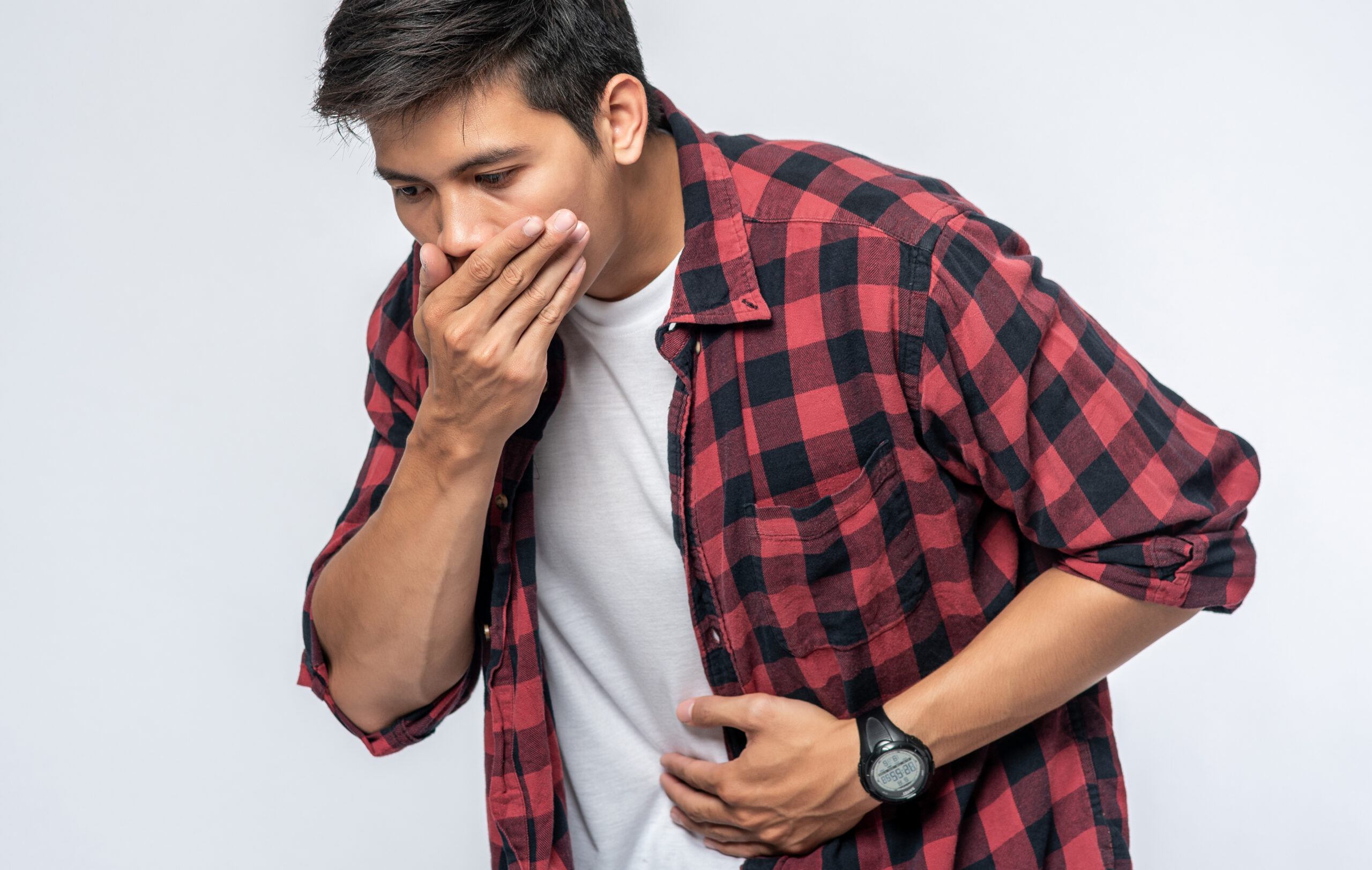
Food poisoning is an illness caused by eating contaminated food. Often, bacteria, viruses, or parasites are to blame. Sometimes, chemicals or toxins in food can also cause sickness. Because food poisoning is common, it is important to know the signs and how to stay safe. According to the CDC, millions of people get food poisoning each year. While most cases are mild, some can be serious.
Common Symptoms of Food Poisoning
Usually, symptoms appear within hours or days after eating bad food. However, the timing can vary. Here are some common food poisoning symptoms:
In some cases, symptoms can be severe. For example, you may notice blood in your stool or signs of dehydration, such as dry mouth or dizziness. If this happens, seek help right away.
Causes and Risk Factors
Food poisoning happens when harmful germs or toxins enter your body through food. But how does this occur? Here are some common causes:
Some people are at higher risk. For instance, young children, older adults, pregnant women, and those with weak immune systems can get sicker more easily. In some areas, food poisoning may be more common due to poor water quality or lack of refrigeration.
How Food Poisoning is Diagnosed
Doctors usually diagnose food poisoning by asking about your symptoms and what you have eaten. Sometimes, they may order tests. For example, a stool sample can help find the cause. In rare cases, blood tests or other exams may be needed. However, most mild cases do not need special tests.
Treatment Options
Most people recover from food poisoning at home. Rest and fluids are key. Because vomiting and diarrhea can cause dehydration, it is important to drink water or oral rehydration solutions. Here are some treatment tips:
Sometimes, medicine may help with symptoms. However, antibiotics are rarely needed unless a doctor prescribes them. If you cannot keep fluids down or feel very weak, seek medical care.
Prevention Tips
Thankfully, you can lower your risk of food poisoning. Here are some simple ways to stay safe:
In addition, avoid eating food from street vendors if you are unsure about cleanliness. When traveling, be extra careful with water and raw foods.
When to See a Doctor
Most cases of food poisoning get better on their own. However, you should see a doctor if you:
Young children, older adults, and people with health problems should get help sooner. Early care can prevent serious problems.
If you suspect food poisoning, consult a healthcare professional at Deeksha Clinic for personalized advice.