Introduction
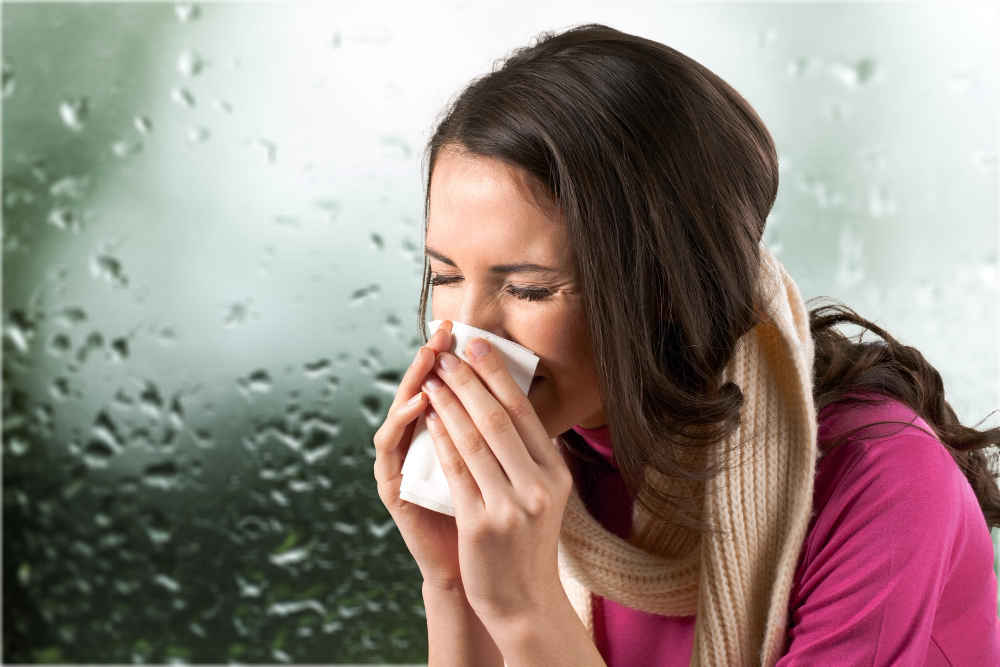
Monsoon related illnesses are common during the rainy season. These illnesses include infections like dengue, malaria, and stomach flu. Because rainwater can spread germs, it is important to know how to prevent these diseases. In this blog, you will find preventive tips for monsoon related illnesses. You will also learn how to stay healthy during rainy season by following simple steps. Prevention is always better than cure, especially when it comes to monsoon diseases.
Common Monsoon Related Illnesses
During the monsoon, several illnesses become more common. For example, you may notice more cases of:
Each of these illnesses can affect people of all ages. However, children and older adults may be at higher risk.
Causes and Risk Factors
Monsoon diseases often spread because of wet and humid conditions. For instance, standing water helps mosquitoes breed. Dirty water can carry germs that cause stomach infections. In addition, crowded places and poor hygiene can increase your risk. People with weak immune systems are also more likely to get sick during this season.
Symptoms to Watch For
It is important to notice early signs of illness. Some common symptoms include:
If you notice these symptoms, you should take extra care. Early action can help prevent complications.
Essential Preventive Tips
To stay healthy during the rainy season, follow these preventive tips for monsoon related illnesses:
According to the World Health Organization (WHO), these steps can reduce your risk of infection.
Lifestyle Guidance During the Monsoon
Besides hygiene, your daily habits matter. For example, try to:
With these monsoon health tips, you can enjoy the season while staying safe.
When to Seek Medical Help
Sometimes, home care is not enough. If you have a high fever, severe pain, or breathing trouble, seek medical help right away. Also, if symptoms last more than two days, visit a doctor. Early treatment can prevent serious problems.
Conclusion
In summary, monsoon related illnesses are common but preventable. By following these preventive tips for monsoon related illnesses, you can protect yourself and your family. Remember, simple steps like handwashing, safe food, and mosquito control make a big difference. Consult at Deeksha Clinic for personalized advice during the monsoon season.