
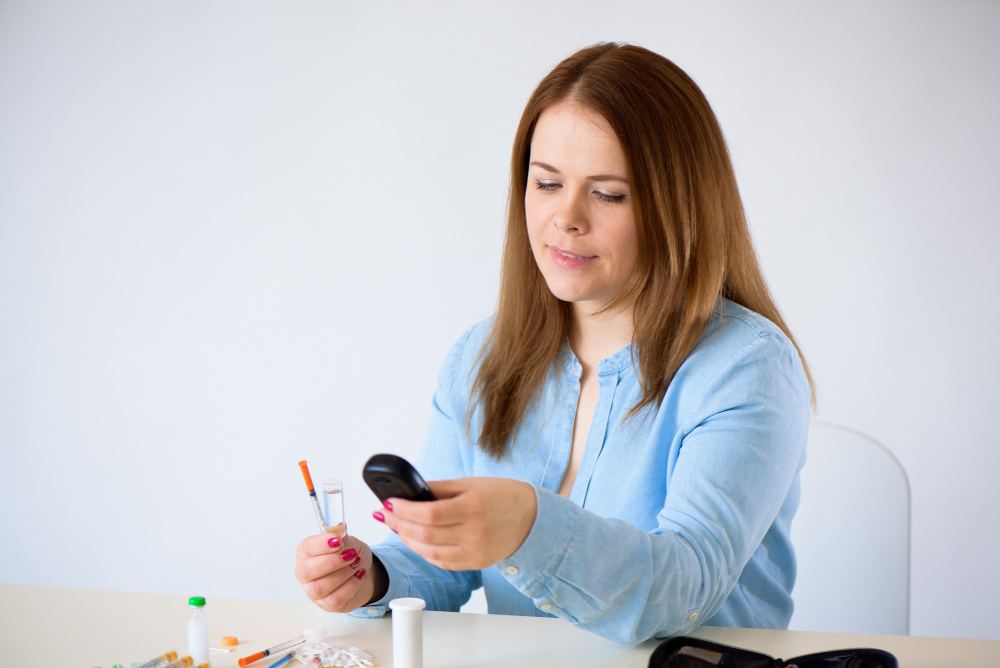
Prediabetes means your blood sugar is higher than normal, but not high enough for diabetes. Knowing how to know if you have prediabetes is important. Early detection can help you avoid type 2 diabetes and other health problems. Many people do not notice symptoms, so regular checkups matter. In the United States, millions have prediabetes but do not know it. Let’s explore what prediabetes is, its signs, and what you can do.
What Is Prediabetes?
Prediabetes is a health condition where your blood sugar is above normal. However, it is not high enough to be called diabetes. According to the CDC, over 1 in 3 adults in the United States have prediabetes. Many do not realize it. Without changes, prediabetes can lead to type 2 diabetes, heart disease, and stroke. But, with early action, you can prevent or delay these problems.
Common Symptoms of Prediabetes
Often, prediabetes does not cause clear symptoms. Still, some people notice early signs of prediabetes. Watch for these changes:
However, many people have no symptoms at all. That is why regular screening is important, especially if you have risk factors.
Risk Factors for Prediabetes
Some people are more likely to develop prediabetes. Knowing prediabetes risk factors can help you stay alert. You may have a higher risk if you:
Even if you feel healthy, these factors increase your risk. Therefore, talk to your doctor if any apply to you.
How Is Prediabetes Diagnosed?
Doctors use simple blood tests for prediabetes diagnosis. These tests check your blood sugar levels. The most common tests include:
If your results are higher than normal but not in the diabetes range, you have prediabetes. The CDC and WHO recommend regular screening for people with risk factors.
When to See a Doctor
If you notice early signs of prediabetes or have risk factors, see your doctor. Even if you feel fine, regular checkups can catch problems early. Your doctor may suggest a blood test to check your sugar levels. Early action can help you avoid serious health issues later.
Prevention and Lifestyle Tips
Although prediabetes is serious, you can take steps to prevent type 2 diabetes. Here are some tips:
Small changes can make a big difference. Over time, these habits can lower your risk and improve your health.
In summary, knowing how to know if you have prediabetes can help you take control of your health. If you have concerns or risk factors, consult Deeksha Clinic for personalized advice and testing.