
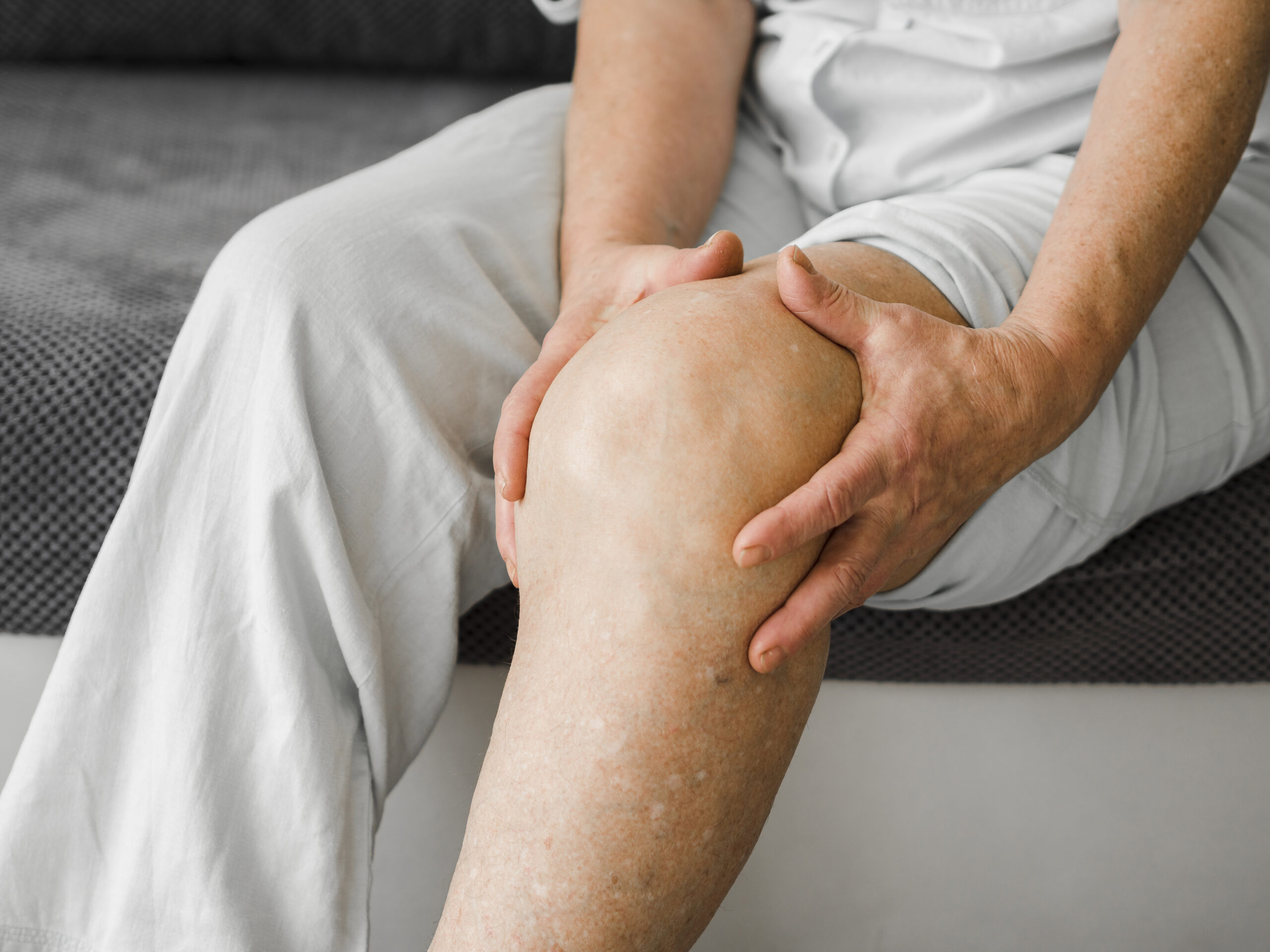
Introduction to Knee Osteoarthritis
Knee osteoarthritis is a common joint problem, especially in adults over 50. In the United States, millions of people live with this condition. It happens when the cartilage in your knee wears down over time. As a result, you may feel pain, stiffness, or swelling. Early signs of knee osteoarthritis can be mild, but they often get worse if not treated. Knowing the symptoms and causes can help you seek help sooner. This guide explains the warning signs, causes, diagnosis, and treatment options for knee osteoarthritis.
8 Warning Symptoms of Knee Osteoarthritis
Recognizing early symptoms is important. If you notice any of these signs, talk to your doctor. Early care can slow the disease and ease your pain.
Causes of Knee Osteoarthritis
Many factors can lead to knee osteoarthritis. Understanding these causes can help you lower your risk. For example, age is a major factor, but it is not the only one. Here are the main causes:
Diagnosis
Doctors use several steps to diagnose knee osteoarthritis. First, they ask about your symptoms and medical history. Next, they examine your knee for swelling, pain, or movement problems. Often, they order X-rays to check for joint damage. Sometimes, an MRI may be needed for a closer look. Blood tests can help rule out other causes of knee pain. Early diagnosis helps you get the right treatment sooner.
Treatment Options
There are many osteoarthritis treatment options to help manage knee pain. Your doctor will suggest the best plan for you. Here are common treatments:
Always talk to your doctor before starting any new treatment.
Lifestyle Tips and Prevention
Simple changes can help prevent knee osteoarthritis or slow its progress. For instance, staying active and keeping a healthy weight are key. Try these tips:
With these steps, you can protect your knees and stay active longer.
When to See a Doctor
If knee pain lasts more than a few weeks, see a healthcare professional. Also, if you notice swelling, warmth, or your knee gives way, seek help. Early treatment can prevent further damage. Do not ignore new or worsening symptoms. Your doctor can help find the cause and suggest the best treatment for you.
Conclusion & Call-to-Action
Knee osteoarthritis can affect your daily life, but early action makes a big difference in managing symptoms and maintaining mobility. By recognizing the warning signs and understanding the causes, you can seek timely care and slow disease progression. Treatment options and lifestyle changes can help reduce pain and improve joint function.
For personalized advice on knee osteoarthritis, consult Deeksha Clinic for expert evaluation and tailored treatment guidance.