
What is Low Blood Sugar (Hypoglycemia)?
Low blood sugar, also called hypoglycemia, happens when your blood sugar drops below normal levels. Usually, blood sugar is your body’s main source of energy. When it gets too low, your body and brain cannot work well. For most people, low blood sugar means a level below 70 mg/dL. However, some people may feel symptoms at higher levels. Hypoglycemia is common in people with diabetes, but it can affect others too. Early recognition is important because severe low blood sugar can be dangerous.
Common Causes of Hypoglycemia
There are many reasons why low blood sugar can occur. Often, it happens in people who take insulin or certain diabetes medicines. But, it can also affect people without diabetes. Here are some common causes:
For example, missing a meal after taking insulin can quickly lower your blood sugar. In rare cases, certain tumors or severe infections may also cause hypoglycemia.
Recognizing Symptoms of Low Blood Sugar
Knowing the signs of low blood sugar is key to staying safe. Symptoms can appear suddenly. Sometimes, they may be mild at first. However, if not treated, they can become severe. Common low blood sugar symptoms include:
In severe cases, people may have seizures, faint, or even go into a coma. Therefore, it is important to treat symptoms quickly.
Major Risk Factors
Some people are more likely to have low blood sugar. Understanding these risk factors can help you stay alert. Major risk factors include:
In addition, children and older adults may not notice symptoms as quickly. This makes regular monitoring important for them.
Diagnosis and When to Seek Help
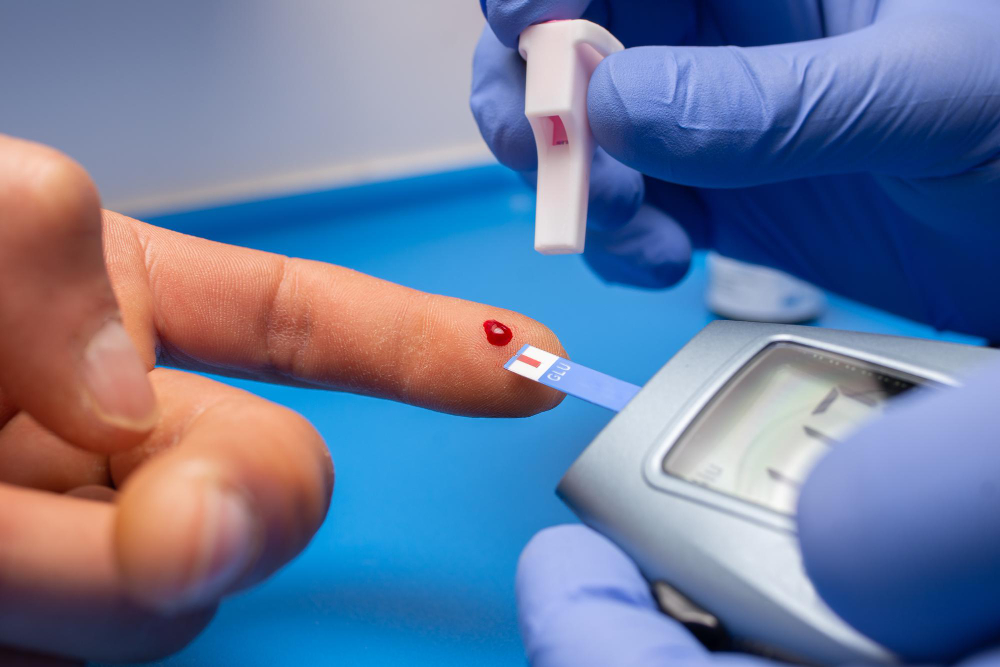
Doctors diagnose low blood sugar by checking your symptoms and measuring your blood sugar level. Usually, a finger-prick test is used. If your blood sugar is below 70 mg/dL and you have symptoms, it is likely hypoglycemia. Sometimes, your doctor may order more tests to find the cause. For example, they may check your hormone levels or look for other health problems.
Seek medical help right away if:
Early treatment can prevent serious problems. Therefore, do not wait if you feel very unwell.
Effective Management and Treatment Options
Managing low blood sugar is important for your health. If you notice symptoms, act quickly. Here is what you can do:
If you cannot swallow or are unconscious, someone should call emergency services right away. In some cases, a doctor may prescribe a glucagon injection for emergencies. Always follow your healthcare provider’s advice for managing hypoglycemia.
Lifestyle Tips and Prevention
Preventing hypoglycemia is possible with some simple steps. Here are practical tips to help you avoid low blood sugar:
Additionally, keep friends and family informed about your condition. This way, they can help in an emergency. Regular check-ups with your doctor can also help prevent problems.
Conclusion
In summary, dehydration is common but easily preventable with proper hydration and timely care. Stay alert for early symptoms, drink adequate fluids throughout the day, and take action as soon as signs appear.
Consult Deeksha Clinic for personalized medical advice, accurate assessment, and effective management of dehydration.